
Heart of the beast: lost in the heart of the wilderness

Heart of the Beast (2026): A Survival Saga and the Confrontation with the Inevitable
The relationship between humanity and the brutality of the natural world has always been one of the most fertile themes in dramatic cinema. In Heart of the Beast (released internationally as Heart of the Beast), this premise is elevated to its psychological and physical limits, constructing a brutal narrative about duty, the grief of loss, and the unwavering instinct for self-preservation. The feature film transports the viewer to the most inhospitable environment on the planet, where every breath is a triumph against the freezing cold and every step toward the horizon could be the last
Synopsis of the Film Heart of the Beast
The plot of Heart of the Beast follows James Belmont (played by Brad Pitt), a retired Master Sergeant from the United States Special Forces who suffers from the trauma and lingering effects of post-traumatic stress. His only loyal companion is Odin, his legendary German Shepherd combat dog, who shared the same high-risk missions and carries similar scars.
Seeking a moment of isolation and inner healing, Belmont flies his small floatplane toward the remote interior of Alaska. However, the journey is tragically interrupted when the protagonist suffers a heart attack in mid-air, culminating in a violent plane crash that submerges the aircraft into the freezing waters of an isolated lake.
Surviving the impact, Belmont and Odin find themselves cast into extreme sub-zero weather conditions, without communication and tens of kilometers away from any human settlement. To resist the blizzard and predators, Belmont must draw upon all the knowledge accumulated over years of training by elite military forces. What follows is a relentless trek through the American wilderness, in which the pair’s survival depends exclusively on mutual trust and an unyielding desire to overcome the hostile
Technical Details and Cast
Original Title: | Heart of the Beast |
Portuguese Title: | Coração selvagem |
Release Year: | 2026 |
Director: | David Ayer |
Genre: | Action / Drama / Survival |
MAIN CAST: | |
– Brad Pitt | as James Belmont |
– J.K. Simmons | as Watkins |
– Anna Lambe | as Amber |
– Uber, Seeka, Ryker, and Hondo | as Odin (the Combat Dog) |
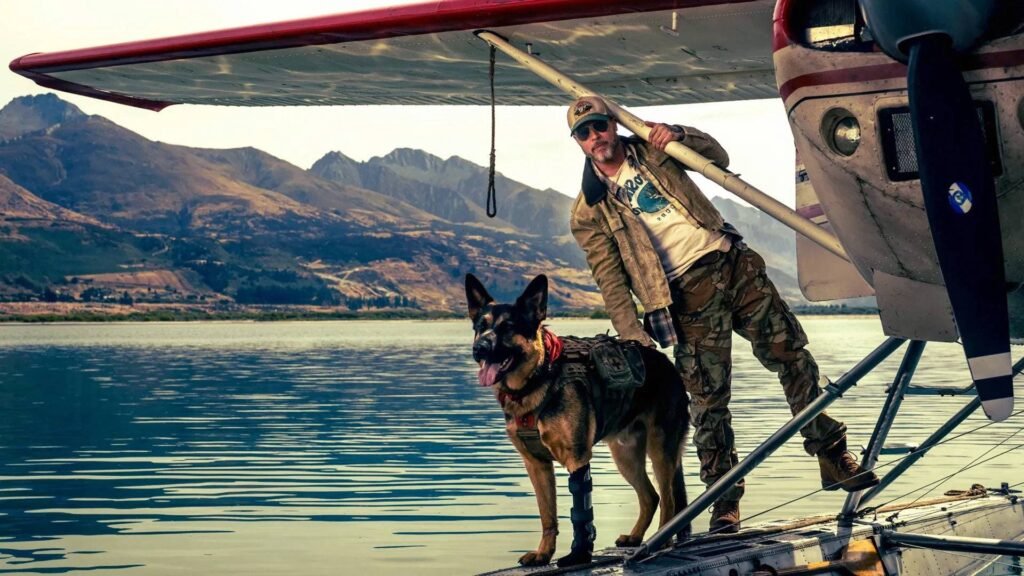
The Classic Struggle: Man vs. Nature
At the core of Heart of the Beast lies the classic theme of man versus nature. Unlike productions that romanticize isolation, director David Ayer depicts the wilderness as a force entirely indifferent to human suffering and limitations.
The Vulnerability of the Human Being
In the face of Alaska’s harsh winter, military service history and decorations lose all practical meaning. Belmont and his dog are stripped of their technological safeguards and exposed to extreme vulnerability.
- Extreme Cold: Hypothermia is depicted as a constant enemy, weakening motor skills and logical judgment with every hour exposed to the wind.
- Spatial Isolation: A vast expanse of untouched snow and rugged terrain separates the pair from any road or aerial rescue.
- Natural Indifference: The snow and terrain are not intentional villains; they simply exist relentlessly, demanding absolute resilience from anyone traversing them.
Wildlife and the Combat Dog
Throughout their journey in Heart of the Beast, the protagonist and his dog encounter grizzly bears and moose, while also crossing paths with a territorial pack of gray wolves. The bond between the man and his dog contrasts with the ferocity of the local fauna. Trained for war environments alongside special forces units, Odin acts as a protector and strategic partner, but his presence also draws the attention of wilderness predators, turning every night into a test of vigilance and defense.
The Psychological Depth of Heart of the Beast
The defining feature of Heart of the Beast is how it connects physical survival with the internal fight against post-traumatic stress and the protagonist’s grief.
Grief and Redemption
James Belmont begins his journey weary of his own existence, carrying painful memories of his military service. The plane crash serves as a turning point: the struggle to keep his dog safe rekindles the value of life and the desire to go on.
“He had survived the worst that the world could throw at him. He knew the cruelty of men, yet he survived. And love for man took root in his heart.”
This excerpt, highlighted from a book Belmont carries during the trek, serves as an inspiring mantra for the journey, reinforcing that affection and loyalty can guide recovery even in the most desolate settings.
Selflessness Under Extreme Conditions
Even while dealing with severe injuries and extreme fatigue, the protagonist maintains the discipline learned alongside other career military service members. The film highlights moments of mutual sacrifice:
- The River Rescue: The moment the dog helps Belmont pull himself out of a dangerous current after a severe fall.
- The Nighttime Standoff: The improvised defense against predators using torches and spears crafted in the woods.
- The Final Mission: The protagonist’s decision to ensure his canine companion reaches civilization safely, prioritizing the animal’s life over his own physical wellbeing.
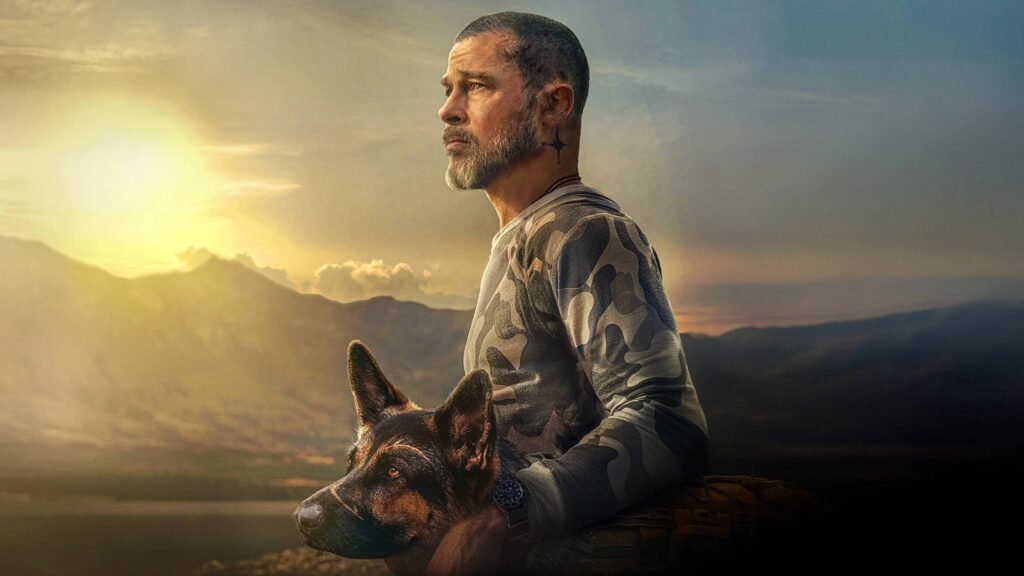
Technical Aspects and Atmosphere
The cinematography of Heart of the Beast relies on wide shots that contrast the vastness of the arctic landscape with the small figures of the two survivors. The sound design prioritizes the heavy silence of the forest, broken only by the cracking of ice and the heavy breathing of the characters, emphasizing their smallness against vast mountains and forests. The sound design is equally striking: the howling of the wind is frequently confused with the whining of wolves in the dark, maintaining a constant state of tension.
Key Production Elements
Cinematography | Captures Alaska’s natural light, utilizing cool tones and northern lights illumination in high-emotion scenes. |
Animal Training | Uses real German Shepherd dogs backed by practical effects to ensure authentic interactions and depth in action scenes. |
Soundtrack | Minimalist compositions designed to heighten the sense of isolation and the solemn tone of the film. |
The Inspiring Impact of the Film
Although Heart of the Beast deals with suffering and the harsh trials of isolation, its core message is deeply inspiring. In the direct duel of man versus nature, the film exalts dignity, unconditional loyalty, and the bond between human and animal as forces capable of transcending physical pain.
James Belmont’s journey across Alaska turns into a testament to honor and redemption. Heart of the Beast concludes its narrative as a memorable work on the spirit of survival, proving that the ultimate triumph of humans and their faithful companions lies in the ability to fight courageously until the very last moment